
The Science of Salad: How Greens Affect Your Mood
The Science of Salad: How Greens Affect Your Mood
The Science of Salad: How Greens Affect Your Mood
08-Jan-2024
08-Jan-2024
08-Jan-2024
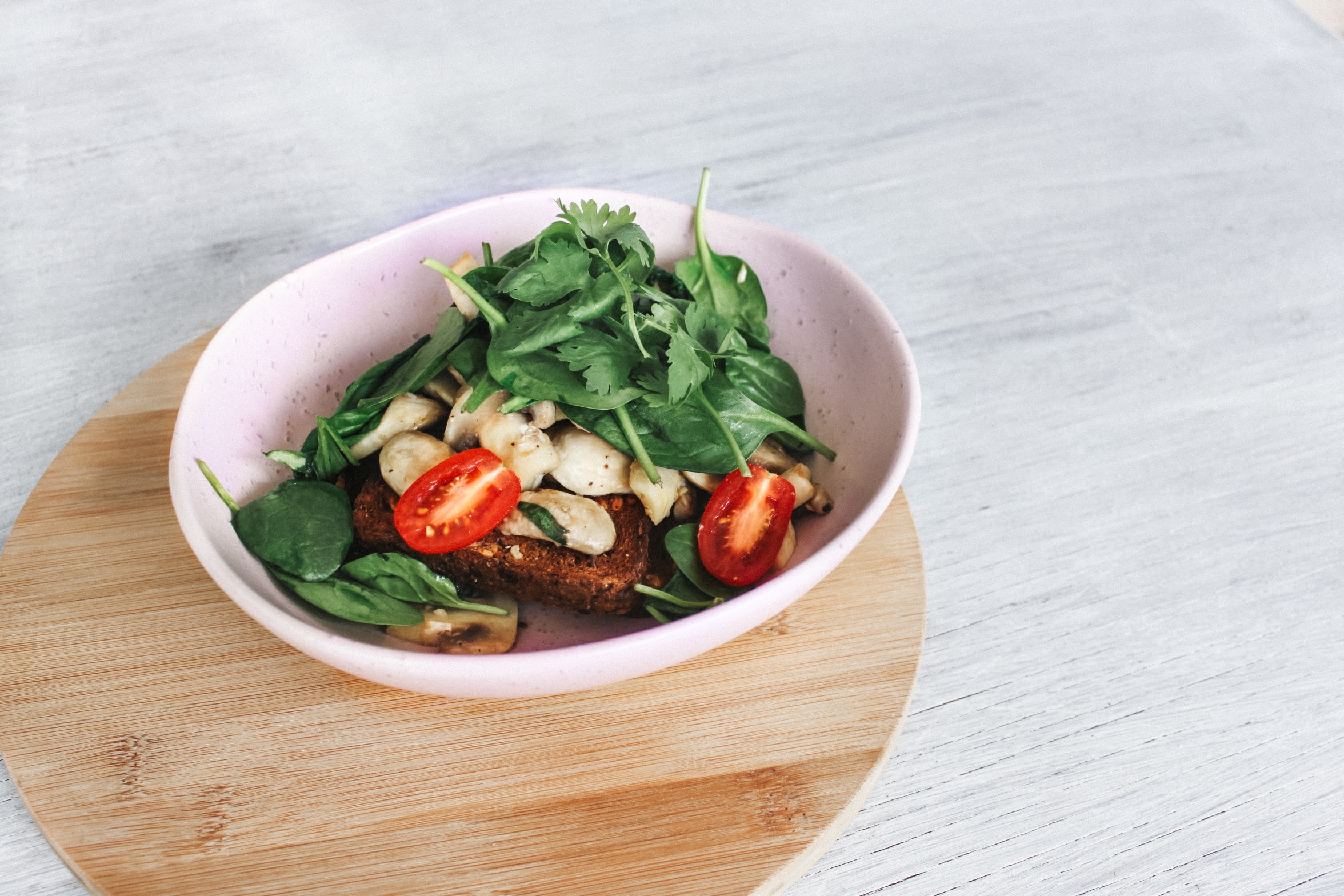
Folate and Mental Clarity: The Bright Leaf Connection
Dive into the psychological benefits of consuming folate-rich greens like spinach and arugula. Discuss scientific studies that link dietary folate intake with cognitive function and reduced rates of depressive symptoms. Share a simple recipe that combines these greens with other folate-rich toppings like lentils and seeds.
Omega-3s: Seeds of Happiness
Unpack the importance of Omega-3 fatty acids found in seeds such as flax, hemp, and chia, which are often sprinkled over salads. Examine how these fatty acids contribute to brain health, potentially improving mood and alleviating mood swings. Offer readers an energizing Omega-3-packed salad recipe, perfect for a midday mood lift.
Vitamin K: From Leafy Greens to a Calmer Mind
Explore the role of Vitamin K in mental health, primarily found in dark leafy greens like kale and Swiss chard. Discuss research suggesting Vitamin K's potential to support brain health, including its role in the production of sphingolipids, crucial for brain cell structure. Introduce a 'Calm Mind Salad Bowl' featuring a mix of these Vitamin K-rich ingredients.
Magnesium: The Relaxation Mineral
Highlight magnesium's role in combating stress and anxiety, which is abundant in greens like baby spinach and nuts like almonds. Discuss how magnesium regulates neurotransmitters that calm the nervous system. Present a 'Stress Relief Salad' recipe that's not only magnesium-rich but also a feast for the senses.
Hydration and Vitality: The Water-Rich Wonders
Emphasize the importance of staying hydrated for maintaining energy levels and mood stability. Spotlight hydrating salad ingredients such as cucumbers, tomatoes, and bell peppers. Share creative ways to incorporate these into a 'Hydration Hero Salad' that keeps you refreshed and revitalized.
Antioxidants: The Mood-Boosting Pigments
Discuss how antioxidants in colorful salad ingredients like berries, carrots, and beets combat oxidative stress, which can affect mood regulation. Talk about recent studies that find a link between antioxidant intake and the mitigation of stress and anxiety. Suggest a 'Rainbow Antioxidant Salad' that's as uplifting for the mood as it is for the body.
Probiotics: Gut Health Equals Mind Health
Delve into the world of probiotics and their impact on gut health, which is directly connected to mood and mental health through the gut-brain axis. Highlight the benefits of incorporating fermented foods into salads, such as kimchi or sauerkraut. Provide a 'Gut-Brain Bliss Bowl' recipe that supports both digestive and mental well-being.
Fiber: The Unsung Hero of Mood Management
Discuss the less known mood-regulating benefits of fiber. Explain how fiber helps stabilize blood sugar levels, preventing mood swings, and supporting overall mental health. Introduce a 'High Fiber Fulfillment Salad' that ensures a steady and satisfying energy flow throughout the day.
Folate and Mental Clarity: The Bright Leaf Connection
Dive into the psychological benefits of consuming folate-rich greens like spinach and arugula. Discuss scientific studies that link dietary folate intake with cognitive function and reduced rates of depressive symptoms. Share a simple recipe that combines these greens with other folate-rich toppings like lentils and seeds.
Omega-3s: Seeds of Happiness
Unpack the importance of Omega-3 fatty acids found in seeds such as flax, hemp, and chia, which are often sprinkled over salads. Examine how these fatty acids contribute to brain health, potentially improving mood and alleviating mood swings. Offer readers an energizing Omega-3-packed salad recipe, perfect for a midday mood lift.
Vitamin K: From Leafy Greens to a Calmer Mind
Explore the role of Vitamin K in mental health, primarily found in dark leafy greens like kale and Swiss chard. Discuss research suggesting Vitamin K's potential to support brain health, including its role in the production of sphingolipids, crucial for brain cell structure. Introduce a 'Calm Mind Salad Bowl' featuring a mix of these Vitamin K-rich ingredients.
Magnesium: The Relaxation Mineral
Highlight magnesium's role in combating stress and anxiety, which is abundant in greens like baby spinach and nuts like almonds. Discuss how magnesium regulates neurotransmitters that calm the nervous system. Present a 'Stress Relief Salad' recipe that's not only magnesium-rich but also a feast for the senses.
Hydration and Vitality: The Water-Rich Wonders
Emphasize the importance of staying hydrated for maintaining energy levels and mood stability. Spotlight hydrating salad ingredients such as cucumbers, tomatoes, and bell peppers. Share creative ways to incorporate these into a 'Hydration Hero Salad' that keeps you refreshed and revitalized.
Antioxidants: The Mood-Boosting Pigments
Discuss how antioxidants in colorful salad ingredients like berries, carrots, and beets combat oxidative stress, which can affect mood regulation. Talk about recent studies that find a link between antioxidant intake and the mitigation of stress and anxiety. Suggest a 'Rainbow Antioxidant Salad' that's as uplifting for the mood as it is for the body.
Probiotics: Gut Health Equals Mind Health
Delve into the world of probiotics and their impact on gut health, which is directly connected to mood and mental health through the gut-brain axis. Highlight the benefits of incorporating fermented foods into salads, such as kimchi or sauerkraut. Provide a 'Gut-Brain Bliss Bowl' recipe that supports both digestive and mental well-being.
Fiber: The Unsung Hero of Mood Management
Discuss the less known mood-regulating benefits of fiber. Explain how fiber helps stabilize blood sugar levels, preventing mood swings, and supporting overall mental health. Introduce a 'High Fiber Fulfillment Salad' that ensures a steady and satisfying energy flow throughout the day.
Folate and Mental Clarity: The Bright Leaf Connection
Dive into the psychological benefits of consuming folate-rich greens like spinach and arugula. Discuss scientific studies that link dietary folate intake with cognitive function and reduced rates of depressive symptoms. Share a simple recipe that combines these greens with other folate-rich toppings like lentils and seeds.
Omega-3s: Seeds of Happiness
Unpack the importance of Omega-3 fatty acids found in seeds such as flax, hemp, and chia, which are often sprinkled over salads. Examine how these fatty acids contribute to brain health, potentially improving mood and alleviating mood swings. Offer readers an energizing Omega-3-packed salad recipe, perfect for a midday mood lift.
Vitamin K: From Leafy Greens to a Calmer Mind
Explore the role of Vitamin K in mental health, primarily found in dark leafy greens like kale and Swiss chard. Discuss research suggesting Vitamin K's potential to support brain health, including its role in the production of sphingolipids, crucial for brain cell structure. Introduce a 'Calm Mind Salad Bowl' featuring a mix of these Vitamin K-rich ingredients.
Magnesium: The Relaxation Mineral
Highlight magnesium's role in combating stress and anxiety, which is abundant in greens like baby spinach and nuts like almonds. Discuss how magnesium regulates neurotransmitters that calm the nervous system. Present a 'Stress Relief Salad' recipe that's not only magnesium-rich but also a feast for the senses.
Hydration and Vitality: The Water-Rich Wonders
Emphasize the importance of staying hydrated for maintaining energy levels and mood stability. Spotlight hydrating salad ingredients such as cucumbers, tomatoes, and bell peppers. Share creative ways to incorporate these into a 'Hydration Hero Salad' that keeps you refreshed and revitalized.
Antioxidants: The Mood-Boosting Pigments
Discuss how antioxidants in colorful salad ingredients like berries, carrots, and beets combat oxidative stress, which can affect mood regulation. Talk about recent studies that find a link between antioxidant intake and the mitigation of stress and anxiety. Suggest a 'Rainbow Antioxidant Salad' that's as uplifting for the mood as it is for the body.
Probiotics: Gut Health Equals Mind Health
Delve into the world of probiotics and their impact on gut health, which is directly connected to mood and mental health through the gut-brain axis. Highlight the benefits of incorporating fermented foods into salads, such as kimchi or sauerkraut. Provide a 'Gut-Brain Bliss Bowl' recipe that supports both digestive and mental well-being.
Fiber: The Unsung Hero of Mood Management
Discuss the less known mood-regulating benefits of fiber. Explain how fiber helps stabilize blood sugar levels, preventing mood swings, and supporting overall mental health. Introduce a 'High Fiber Fulfillment Salad' that ensures a steady and satisfying energy flow throughout the day.